Skip to Main Content

Severe Weather Center

Stay up to date on changing weather conditions. We are committed to providing you with timely updates and tips regarding severe weather patterns that may impact you. 

CAT Resource Center

Visit our partner Guy Carpenter's Insights Library. This resource center provides live event, post event, seasonal outlooks, and periodic thought leadership regarding natural catastrophes. Perils covered include tropical cyclone, severe convective storm, flood, winter storm, storm surge, wildfire, and earthquake.

Handling a Property Loss

Review the essential steps to prepare for and navigate the insurance claims process following property losses, such as pre-loss preparation, understanding insurance policies, maintaining records, and designating key contacts. Learn how we support clients through every step of the process. 

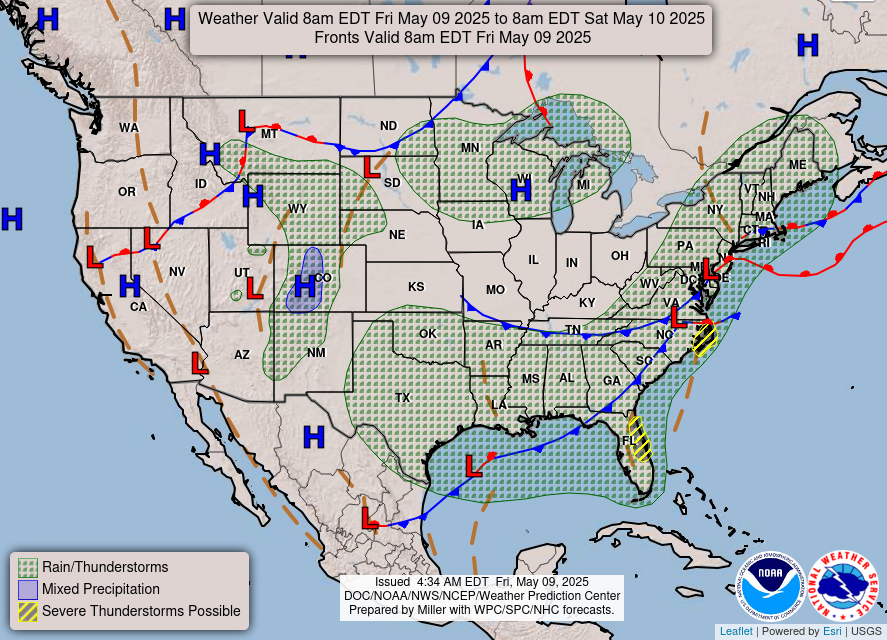
Active Storm Tracker 

HTML img Tag

Active Storm Tracker

File a Claim

We know there's never a good time to experience a loss, but rest assured, we're here to advocate for you every step of the way.

Hurricanes

The Atlantic hurricane season runs from June 1 to November 30, while the Pacific hurricane season runs from May 15 to November 30. Potential threats from hurricanes include powerful winds, heavy rain, storm surges, coastal and inland flooding, rip currents, tornadoes, and landslides. 

In the United States, hurricanes are on the rise—both in terms of frequency and intensity. There was a billion-dollar plus event every 13.5 days in 2024, a marked increase from one every 82 days in 1980.

If you live in or near the path of hurricanes, it’s crucial to understand your insurance policy and the available coverages. Most insurance policies do not include flood coverage, and in hurricane-prone states, like Florida and Texas, policies may have increasingly higher wind deductibles.

Hurricanes can lead to multiple risks, including:

  • Physical property damage: Hurricanes can inflict severe damage on properties, including valuable articles you may have stored at home. High winds, flooding, and debris can cause structural damage and costly repairs, leading to prolonged downtime. 
  • Business interruption: The effects of a hurricane often extend beyond physical damage, causing significant interruptions. Power outages, damaged infrastructure, and disrupted supply chains can hinder operations and affect revenue. This can both impact business owenrs and homeowners who need help with rebuilding and/or repairs. 
  • Cybersecurity risks: After a hurricane, people face heightened cybersecurity threats. System failures can expose vulnerabilities, increasing the risk of data breaches. It’s crucial to maintain robust cybersecurity measures and recognize potential threats.

It’s important to build or retrofit your home with materials that can withstand high winds and heavy rain. You’ll want to consider impact-rated windows, doors, garage doors, and roofing materials. You should also consider fortifying your home with impact-rated shutters and having a backup generator for power outages.

We also offer real stories of hurricane recovery and how to prepare your family for these events. 

Our Risk Advisory Leader, Brad Sawyer, shares a few of his risk mitigation insights for hurricanes and cyclones. 

  • Impact-rated windows and doors (note: most homes built after 2002 have impact-rated glass, but homes built before then can achieve this protection with hurricane shutters or products like Armor Screens.)
  • Have a backup generator and remember it should be inspected annually
  • Resilient roofs are key, consider upgrading your roof to a wind-rated material or roof-to-wall attachmens
  • Confirm all roof deck attachments use 8-penny ring-shank nails at 6-inches apart (also known as, 8d 6" x 6")
  • Wind-rated garage doors are the minimum, if you can upgrde to impact-rated that is a more resilient option

When hurricanes occur, the aftermath is a difficult time for many homeowners. Every claim is different, but clients often have similar concerns about what they can expect from their risk advisor and insurers. We answer the most common questions clients have post-hurricane and give tips on the hurricane recovery process in our article

Experiencing a loss can be overwhelming and the thought of making an insurance claim may seem daunting. There is a need to act quickly and there are often many things to consider so that your interests are protected. Our Claims Analysts provide claims advocacy and expertise to all our clients to help you achieve the best possible settlement with your insurer. 

File a personal lines claim

If your home or valuables are affected by a hurricane, use our claims guide to help you prepare your materials documents, navigate the claims process, and understand the actions you may need to take.

Floods

In the United States, flooding causes more damage than any other natural disaster; it's no longer just a coastal issue.

As weather patterns shift, the risk of flooding has become a pressing concern nationwide. Preparation is key to safeguarding your assets and loved ones against the unpredictable nature of floods.

Major floods can lead to devastating consequences, including:

  • Structural damage: Floodwaters can compromise the integrity of buildings, resulting in costly repairs and potential property loss.
  • Business disruption: Flooding can halt operations, leading to lost revenue and impacting employees’ livelihoods.
  • Health risks: Stagnant water can harbor harmful bacteria and pollutants, posing serious health risks to individuals and communities.
  • Emotional toll: The aftermath of a flood can be overwhelming, causing stress and anxiety for those affected.

Flood risk is not one-size-fits-all. Even properties outside of high-risk zones file flood insurance claims.

Knowing what you’re up against can help you prepare and act with clarity. 

  • Flooding can happen anywhere. Nearly 25% of flood claims come from low- to moderate-risk areas.
  • Check your flood zone. Use FEMA’s Flood Map Service Center to assess your property’s risk level.
  • Understand coverage gaps. Most property insurance policies exclude flood damage, and you may need a separate flood insurance policy.

Mudslides and Landslides: 

A sudden downpour can trigger a landslide, sending debris sliding down slopes and causing billions in damage each year.  
 
Learn more about the risks associated with landslides and mudslides.

Protecting your home is critical. Protecting your family is paramount.

NOAA’s National Weather Service urges drivers to remember a simple, life-saving phrase: “Turn Around, Don’t Drown.” Many flood-related fatalities occur when drivers attempt to cross flooded roadways. It takes only a small amount of moving water to sweep a vehicle away.

Before the forecast turns:

  • Sign up for local emergency alerts.
  • Develop a family communication plan and know how you’ll reconnect if separated.
  • Identify evacuation routes and safe meeting points.
  • Store important documents in waterproof containers or secure digital vaults.
  • Prepare an emergency kit with medications, flashlights, batteries, bottled water, and nonperishable food.

It takes only a fraction of an inch of water to flood your home. In the U.S., flooding causes more damage than any other natural disaster. Only 4% of homeowners carry flood insurance, according to FEMA, even though standard homeowners' policies typically exclude flood damage. Financial protection is often the most reliable safety net when the unexpected happens.

Our Rising Waters blog examines common insurance gaps related to flood coverage and offers guidance on assessing your flood risk. Our Fighting the Flood blog goes into flood risks and preparation a bit more as well. 

For every $1 you invest in mitigation for natural disasters, it will save you $6 compared to recovery costs.

When it comes to flood safety, water will always follow gravity, but you can help guide its path. A few thoughtful upgrades can mean the difference between damp drywall and devastating damage. Our Risk Advisory Leader Brad Sawyer suggests:

  • Plan: It’s always best to have a plan in place before severe weather events, as floods and storm surges can occur very quickly. A proper plan before this happens can protect your property from water damage or loss.
  • Call in the professionals: Work with a civil engineer or floodplain management consultant to better understand flood risks for a new or existing home.
  • Grade with intention: Ensure the soil around your foundation slopes away from the home. Even a subtle pitch can keep water away from your structure.
  • Guard your gutters: Clogged systems can cascade into costly consequences. Keep gutters and downspouts clean and extend downspouts at least five feet from the foundation. French drains may also help push water away from the home.
  • Install a sump pump with backup: A water or battery-powered backup ensures your sump pump keeps working even if the power goes out during a storm.
  • Add a backflow valve: This device prevents sewage from backing up into your home during heavy rainfall—a messy and expensive problem FEMA frequently warns about.
  • Embrace absorbent landscaping: Rain gardens, native plantings, and permeable pavers allow water to soak into the soil rather than surge toward your foundation. Strategic plantings can be both beautiful and beneficial.
  • Consider lifting your home: If you’re in a flood-prone area, elevating your home is the best long-term solution to protect it. By raising your home above the floodplain, or as directed by local zoning authorities and using proper techniques with a certified contractor, you can potentially prevent most, if not all, future flood damage.
  • Use passive floodproofing: Consider replacing doors and windows with floodproof products and using automated passive floodproofing devices that deploy and lift upwards to protect an area when activated by floodwaters.
  • Use active floodproofing: Sandbags are no longer the only option for flood protection. New products on the market, such as AquaFence, can keep floodwaters at bay and protect valuable structures.
  • Adding a Secondary Water Resistance Barrier (SWR): An SWR is a low-cost option that significantly improves your roof’s performance during a storm. This retrofit may also lead to premium savings with some carriers.  

Experiencing a loss can be overwhelming and the thought of making an insurance claim may seem daunting. There is a need to act quickly and there are often many things to consider so that your interests are protected. Our Claims Analysts provide claims advocacy and expertise to all our clients to help you achieve the best possible settlement with your insurer. 

File a personal lines claim

If your home or valuables are affected by a flood, use our claims guide to help you prepare your materials documents, navigate the claims process, and understand the actions you may need to take.

Earthquakes

We can't predict when or where an earthquake will happen, but we can help you understand your risks and prepare in advance.

Earthquakes are a real threat in many parts of the U.S. It’s not just about the well-known areas, so we all need to think more broadly. Seismic activity can occur along both coasts and across much of the central United States and result in around $14.7 billion in damages.

According to FEMA, 45 states and territories face moderate to high earthquake risk. Unlike hurricanes, wildfires, or storms, earthquakes happen without warning, leaving little time to prepare. It’s important to consider your specific risks. 

The USGS Earthquake Hazards Map can help you assess your geographic risk.

Debunking Earthquake Myths:

Common myths are worth noting to better prepare yourself, your family, and your belongings when the earth moves. Here are just a few:

Myth: Earthquakes can be predicted.
Fact: Even with new technologies, scientists and geologists cannot pinpoint the date, time, and location of earthquakes. Earthquake early-warning systems are in development in some high-risk areas of the country, like California and the Pacific Northwest.

Myth: There is such a thing as earthquake weather.
Fact: This cultural myth has no evidence to support the claim that hot, dry, or windy weather precedes an earthquake.

Myth: Stand in a doorway during an earthquake.
Fact: In the past, doorways were considered the safest way to ride out an earthquake. This is no longer true with modern construction; doorways are no safer than other areas. Drop, cover, and hold on is the best way to protect yourself when shaking starts.

Planning, preparing, and practicing before an earthquake happens is important.

Create a plan for when a quake occurs. The U.S. Geological Survey offers tips on what to do based on your location and activity during an earthquake hit. For example, stay away from fireplaces and avoid the kitchen, which can be a danger zone.

People previously thought doorways were the safest place during an earthquake. That’s no longer true with modern buildings. The recommended safety action is to DROP, COVER, and HOLD ON to protect yourself when an earthquake occurs.

Read our full earthquake article for detailed tips on making a plan, what to include in your recovery kit, and tips on financial recovery after a disaster.

What you can do to prepare your property for an earthquake?

Installing a seismic shutoff valve, also called an earthquake shutoff valve, on your gas line can stop gas from entering your home, and help prevent fire.

Our Risk Advisory Leader Brad Sawyer has curated exclusive insights on this and other tips to help you reduce your risks as a homeowner. When it comes to earthquakes he also recommends:

  • strapping hot water heaters
  • foundation bolting for homes built prior to 1950
  • shear walls 
  • secure heavy items to teh walls when possible

If you have valuable articles like fine art, this requires more than simply securing the frame to the wall or strapping down heavy art pieces. We have provided guidance for discerning collectors who live in earthquake prone areas. 

A strong roof helps make your home more resilient. Find out what steps you can take to improve your roof.

Experiencing a loss can be overwhelming and the thought of making an insurance claim may seem daunting. There is a need to act quickly and there are often many things to consider so that your interests are protected. Our Claims Analysts provide claims advocacy and expertise to all our clients to help you achieve the best possible settlement with your insurer. 

File a personal lines claim

If your home or valuables are affected by an earthquake, use our claims guide to help you prepare your materials documents, navigate the claims process, and understand the actions you may need to take.

Tornadoes and Severe Weather

Every state across the U.S. experiences tornadoes and severe weather which includes their devastating aftermath.

It is important to get familiar with the signs of a tornado and severe weather to be able to properly prepare in advance of an approaching storm. To start:

  • Know your area’s tornado risk: In the U.S., the Plains, the Midwest and the Southeast are at greater risk for tornadoes. If you have a home in these areas, it is important to spend time preparing them for the potential of damage.
  • Know the signs of a tornado: This includes a rotating funnel-shaped cloud, an approaching cloud of debris, or a loud roar, similar to a freight train. It is wise to ensure your family members are also familiar with these signs. 
  • Know the signs of a derecho: A green-ish sky paired with a rapid and loud radar-echo and a sudden drop in temperature are signs of a derecho. Derechos are a serious wind event, with many experiencing wind gusts of 75 mph or greater, and wind damage that extends more than 400 miles. Much of the destruction is caused by rapid, forceful downward blasts of wind.

Types of risks:

  • Physical damage to property: Severe storms can inflict severe damage on homes and communities. High winds and flying debris can cause structural damage and costly repairs. 
  • Business interruption: The effects of a severe storm often extend beyond physical damage, causing significant interruptions. Power outages, damaged infrastructure, and disrupted supply chains can hinder operations and affect revenue. Consider how a tornado or derecho would affect your income, home repairs, and any potential household employees you may have. 
  • Family safety: Have a safety plan for your family, home, and assets that everyone is aware of. Always monitor weather updaes and have a back-up plan for potential power loss. 

Learn more about these types of storms and how they're created in our article, "Tornadoes: The wild whirlwind of nature."

Our Risk Advisor, Brad Sawyer, says a strong roof is key to a resilient home. Your roof should be inspected annually as part of routine home maintenance. A few things to consider when checking your roof:

  • Make sure the gutters are clear.
  • Ensure there are no missing shingles or tiles.
  • Check that the flashing is functioning properly.
  • Confirm that the material on top of your roof is adequately protecting the layer underneath (the underlayer prevents water from entering your home).

He dives into more roof information and how to protect against wind storms with your doors, windows, and garage doors in this article from 2025. 

Brad also shares these resiliency tops for severe storms: 

  • Know where to go if the storm escalates
  • Upgrade your home to be storm-ready
  • Prepare for power surges and outages
  • Install lightning rods
  • Bring in or secure outdoor items
  • Park vehicles in your garage or under a carport
  • Keep up with routine home maintenance

He goes into more detail on all of these and more in his article about risk mitigation tips for homeowners. 

Experiencing a loss can be overwhelming and the thought of making an insurance claim may seem daunting. There is a need to act quickly and there are often many things to consider so that your interests are protected. Our Claims Analysts provide claims advocacy and expertise to all our clients to help you achieve the best possible settlement with your insurer. 

File a personal lines claim

If your home or valuables are affected by a severe storm, use our claims guide to help you prepare your materials documents, navigate the claims process, and understand the actions you may need to take.

Wildfires

Wildfire season is now all year long and impacts every state.

Wildfires are now a year-round threat across the U.S., not just a seasonal concern in the West. Rising temperatures, drought, and more development in Wildland-Urban Interface (WUI) areas have increased the frequency and severity of wildfires.

As conditions become more conducive to wildfires, regions once considered less susceptible are now experiencing unprecedented fire activity. For example, the Northeast faced numerous wildfires in 2024: New Jersey reported 537 wildfires that burned 4,500 acres, New York had 60 wildfires that burned a total of 2,100 acres, and Connecticut experienced 70 wildfires.

Guy Carpenter reports over 60,000 communities are at risk for WUI fire activity, with California leading, followed by Texas, Florida, North Carolina, and Pennsylvania. Globally, extreme fires are projected to increase by 50% by the end of the century.

Each year, wildfire professionals and the insurance industry learn more about wildfires. Among the most remarkable innovations in recent years is the game-changing app, WatchDuty. The app is free for tracking fires and alerts in up to four counties. It also offers paid services, including monitoring helicopters and planes during a fire event and measuring the distance of the fire to your location. 

Our Risk Advisor, Brad Sawyer, shares how vents are often overlooked when it comes to wildfire preparedness. They can be upgraded to help prevent embers from entering the home. Replace attic, foundation, and side vents with ember-resistant options to help prevent your home from catching fire. 

Other risk mitigation tips include:

  • Gutter guards, installing gutter guards is essential to prevent debris buildup which has the potential to fuel a fire.
  • Windows can crack and become compromised allowing embers to enter the home. Upgrading to double-pane windows can help improve your home's resilience during a wildfire. 
  • Roofs play a critical role during wildfires, consider upgrading to a noncombustible or a Class A-rated roof. 

Defensible space is a buffer zone surrounding your property that significantly reduces the risk of fire damage. This area serves as a protective barrier, slowing or stopping the spread of fire. There are three zones around your home with zone 0 being the most critical. We dive into each zone and what you can do in our "From Ember to Ash" article. 

Have an emergency kid with essentials:

  • Non-perishable food and water for 72 hours
  • Flashlight and batteries
  • Extra clothes and blankets
  • First-aid kit
  • Personal hygiene items
  • Prescription medications and medical supplies
  • Maps and local emergency contact numbers
  • Fully charged portable power banks 

Immediate actions if a wildfire is in your area: To effectively prepare your home in advance of a wildfire, it is crucial to stay informed through local news and emergency alerts, assess your surroundings, and document your property if time permits. Key steps include preparing an evacuation kit, securing your home by closing windows and doors, turning off HVAC systems, moving pets indoors (bring them with you if you evacuate), and safeguarding valuable collections. Additionally, creating defensible space by clearing flammable materials, relocating combustibles, and wetting outdoor areas can help protect your property. For comprehensive guidance and detailed tips on each of these important actions, please read the full article.

Experiencing a loss can be overwhelming and the thought of making an insurance claim may seem daunting. There is a need to act quickly and there are often many things to consider so that your interests are protected. Our Claims Analysts provide claims advocacy and expertise to all our clients to help you achieve the best possible settlement with your insurer. 

File a personal lines claim

If your home or valuables are affected by a wildfire, use our claims guide to help you prepare your materials documents, navigate the claims process, and understand the actions you may need to take.

Winter Storms

From power outages and frozen pipes to closed roads and supply delays, the impacts of a winter storm can last a while and be costly.

Winter weather can affect businesses in many parts of the country, including regions that don’t usually experience harsh conditions, like some southern states. Ice and snow can happen unexpectedly, sometimes causing disruptions and financial challenges.

Since many areas are less accustomed to severe cold, homes may be more vulnerable to damage and higher losses. It’s helpful for all regions to review their typical weather patterns and identify areas with higher risk exposure.

Winter storms affect communities nationwide. The FEMA National Risk Index indicates that winter weather risks aren’t limited to the north—they’re present in many parts of the U.S., with varying levels of frequency and impact.

Over time, more minor disasters are contributing to rising costs. While major catastrophes often make headlines, most of the increase in losses comes from smaller events like winter storms, hail, and severe thunderstorms.

Damage to homes in winter may come from various internal and external sources, including:

  • Severe weather. In colder climates, snow, hail, freezing rain, and plunging temperatures can all cause damage. For example, extreme cold can result in power outages and burst pipes, while heavy snow and ice accumulation can impair roofs, impede drainage, and knock down large trees. In other locations, windstorms and excess rainfall frequently cause exterior damage, floods, and sewer backups.
  • Plumbing. Water that is contained and available on demand is a modern amenity many of us take for granted, but water flowing uncontrolled from a burst pipe or broken fixture can turn into a nightmare. Winter weather’s effect on exposed pipes can lead to floods and extensive damage inside a home.
  • Electrical systems. Electrical fires cause an estimated 51,000 home fires, hundreds of deaths, more than 1,000 injuries, and at least $1.3 billion in property damage each year, according to the Electrical Safety Foundation International.
  • Heating sources. Furnaces, fireplaces, wood-burning stoves, space heaters, clothes dryers, and other heat-producing appliances can spark house fires. In addition, burning fossil fuels produces carbon monoxide, a colorless and odorless gas that may cause serious injury or death in poorly ventilated areas.

Our Risk Advisor, Brad Sawyer, shares how homeowners can best mitigate their risks when it comes to winter storms.

Heating Systems: Before winter unfolds, make sure your heating system is ready for its annual use. According to the U.S. Department of Energy, heating accounts for about 29% of a household’s energy use, making it the largest home energy expense. Early-season attention can help keep that number from rising. Your heating system works better and lasts longer when properly maintained—consider the following:

  • Schedule a professional service to inspect and clean your furnace or boiler.
  • Replace air filters to improve performance and prolong system life.
  • Test thermostats and consider a smart thermostat upgrade for better efficiency.

Plumbing: If freezing temperatures are expected, water damage could follow. Frozen pipes can happen in any climate—all it takes is one cold snap. In warmer regions like the South, plumbing around exterior walls is common, making homes more vulnerable when temperatures drop. A burst pipe can cost hundreds to thousands of dollars to repair, not including potential water damage inside the home. To help your pipes stay warm:

  • Insulate exposed pipes in basements, attics, garages, and crawl spaces.
  • Disconnect and drain outdoor hoses and shut off exterior faucets.
  • Keep cabinet doors open under sinks during extreme cold to allow warm airflow.
  • Set your heat to at least 55°F when traveling.

Roof and Gutters: When winter storms arrive, your roof is your home’s first line of defense. Ice dams can cause water to seep into walls and ceilings. Ice dams form when snow melts and refreezes on a roof repeatedly. The melted water can seep under shingles and cause damage by leaking into the attic and walls.  Before the first freeze:

  • Clear gutters and downspouts so melting snow has somewhere to go.
  • Check for loose or missing shingles and repair them promptly.
  • Trim nearby branches that could break under heavy snow or ice.
  • Consider adding attic insulation to reduce heat loss and help prevent ice dams.

Drafts: A few tiny gaps in doors and windows can lead to higher energy waste. Homeowners can save an estimated 15% on heating and cooling costs by sealing leaks and adding insulation. To avoid letting money drift out of your home, do a walkthrough and:

  • Caulk or weatherstrip around doors and windows
  • Check for gaps around chimneys, vents, and recessed lighting
  • Install door sweeps to block chilly drafts
  • Use thermal curtains to keep heat inside

On the Road: Winter is a notoriously challenging season for drivers. Roads can quickly become icy and treacherous, and visibility can shrink to zero in a heartbeat. The risks of property damage and personal injury are heightened in such conditions.

  • Inspect your vehicle to ensure that lights, tires, battery, windshield wipers, belts, and hoses are in good operating condition.
  • Keep the fuel tank at least half full.
  • Allow plenty of time to reach your destination. Let others know your planned route and expected time of arrival. Consider sharing your location via your cellphone with a trusted individual.
  • Stock your vehicle with items you may need should you become stranded. These could include a cellphone charger or battery pack, shovel and windshield scraper, flashlight, booster cables, road flares or reflective signs, water and nonperishable food, blankets, and a first-aid kit.

Experiencing a loss can be overwhelming and the thought of making an insurance claim may seem daunting. There is a need to act quickly and there are often many things to consider so that your interests are protected. Our Claims Analysts provide claims advocacy and expertise to all our clients to help you achieve the best possible settlement with your insurer. 

File a personal lines claim

If your home or valuables are affected by a winter storm, use our claims guide to help you prepare your materials documents, navigate the claims process, and understand the actions you may need to take.