
Skip to Main Content

Impacted by wildfires or winter weather? Whether you have a business that's been affected or your personal home and assets are damaged, know that you have a team of people to support you. Find resources here.

December 9, 2025

Fighting the Frost: A Guide to Winterizing Your Home

How to protect your home and save on costs when temperatures drop

Summary

  • From frozen pipes to roof leaks, preparing early can help reduce the risk of damage caused by winter weather.
  • Heating, plumbing, roofing, and drainage need seasonal maintenance to work efficiently and safely.
  • Minor maintenance like sealing drafts or trimming trees can prevent heat loss and storm-related damage.
  • Professional inspections can identify vulnerabilities you might miss, especially in high-value or custom-built homes.

First, the long days of sunshine late into the evening say their final goodbye. Then there’s a chill in the air, and soon the leaves start to litter the ground. Eventually, you tuck away the linen shorts, brightly colored collared shirts, and floral-patterned sundresses. Like adjusting the clock back on your kitchen stove during Daylight Saving Time, your summer wardrobe is switched out for the heavy dark denim, thick flannels, and tightly woven knit dresses.

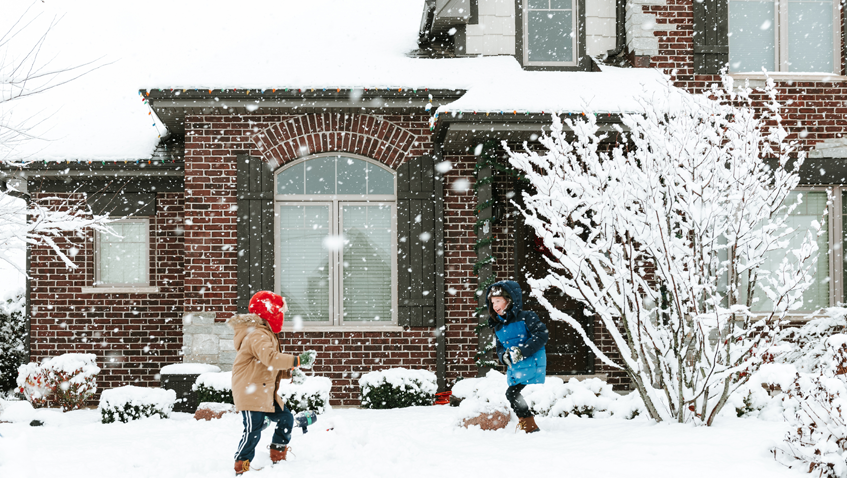
As we pile on layers to keep warm, we sometimes forget that our homes also need preparation to face the howling winds, sleet, and snow. Just like the scarf around your neck, your home needs a warm embrace to stand up to the new season.
Start with Your Home’s Heartbeat: Heating Systems

Before winter unfolds, make sure your heating system is ready for its annual use. According to the U.S. Department of Energy, heating accounts for about 29% of a household’s energy use, making it the largest home energy expense. Early-season attention can help keep that number from rising. Your heating system works better and lasts longer when properly maintained—consider the following:

  • Schedule a professional service to inspect and clean your furnace or boiler.
  • Replace air filters to improve performance and prolong system life.
  • Test thermostats and consider a smart thermostat upgrade for better efficiency.

Protect Plumbing From Freezing

If freezing temperatures are expected, water damage could follow. Frozen pipes can happen in any climate—all it takes is one cold snap. In warmer regions like the South, plumbing around exterior walls is common, making homes more vulnerable when temperatures drop. A burst pipe can cost hundreds to thousands of dollars to repair, not including potential water damage inside the home. To help your pipes stay warm:

  • Insulate exposed pipes in basements, attics, garages, and crawl spaces.
  • Disconnect and drain outdoor hoses and shut off exterior faucets.
  • Keep cabinet doors open under sinks during extreme cold to allow warm airflow.
  • Set your heat to at least 55°F when traveling.

Fortify Your Roof and Gutters Before Snowfall

When winter storms arrive, your roof is your home’s first line of defense. Ice dams can cause water to seep into walls and ceilings. Ice dams form when snow melts and refreezes on a roof repeatedly. The melted water can seep under shingles and cause damage by leaking into the attic and walls.  Before the first freeze:

  • Clear gutters and downspouts so melting snow has somewhere to go.
  • Check for loose or missing shingles and repair them promptly.
  • Trim nearby branches that could break under heavy snow or ice.
  • Consider adding attic insulation to reduce heat loss and help prevent ice dams.

Seal Out Drafts (and save on heating costs)

A few tiny gaps in doors and windows can lead to higher energy waste. Homeowners can save an estimated 15% on heating and cooling costs by sealing leaks and adding insulation. To avoid letting money drift out of your home, do a walkthrough and:

  • Caulk or weatherstrip around doors and windows
  • Check for gaps around chimneys, vents, and recessed lighting
  • Install door sweeps to block chilly drafts
  • Use thermal curtains to keep heat inside

Call in the Professionals for Backup

Even with the most thorough checklist, sometimes the safest option is to call in a specialist to examine systems, review your home’s winter readiness, or provide tailored recommendations.

For high-value homes or properties with unique features, professional guidance can be especially helpful. At Marsh McLennan Agency Private Client Services (MMA PCS), our advisors can help assess your home’s winter readiness and connect you with trusted professionals to protect you against seasonal risks.

Request an insurance review with an experienced Personal Risk Advisor to ensure you're adequately insured for whatever life may bring.