

Chris Huwaldt
Portland, OR

“I've seen it rainin' fire in the sky, the shadow from the starlight is softer than a lullaby... Rocky Mountain high...Colorado,” plays John Denver on the radio as we climb through Rocky Mountain National Park’s Trail Ridge Road (the highest continuous paved road in the United States). There’s no better place to begin our insurance journey through the Mountain West region, which includes Colorado, Arizona, Idaho, New Mexico, Utah, and Wyoming.
The air up here is thin, and the weather changes quickly. One minute, there might be sun; the next, a thundercloud could darken the horizon. Then, just as suddenly, smoke might fill the air from nearby wildfires. The Mountain West, with its scenic beauty, well-known breweries, and vast open lands, also faces challenges such as pine beetle-damaged forests and skies prone to intense heat.
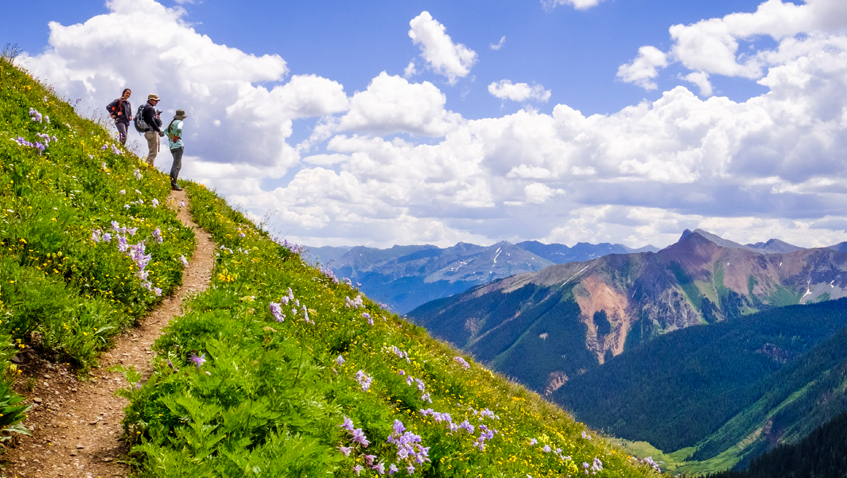
Let’s drive down this mountain and through the smoke-filled alpine skies. Outside our window, we see the remnants of the fires that affected the mountainous West in 2025. The impact of wildfires in each state from Arizona to Wyoming is clear.
Arizona: More communities are being built in the Wildland-Urban Interface (WUI). A recent study shows a 51% increase in homes within Arizona’s WUI zone. At the same time, data shows that over the past five years, more than 1,800 fires have burned approximately 442,000 acres, and the state has spent upwards of $12 million annually on fire suppression activities.
Colorado: Drought conditions and warm weather contributed to Colorado’s most severe fire season since 2020, with more than 200,000 acres burned. Governor Jared Polis issued broad emergency declarations in response to the Lee, Elk, Turner, and Stoner Mesa fires.
Idaho: El Niño weather patterns, two wet winters, and an explosion of vegetation growth in a warm, dry spring contributed to a challenging fire season. Idaho’s expenses for the 2025 wildfire season topped $40 million.
Montana: Big Sky Country experienced fewer acres burned this year compared to last, with 76,000 acres affected, but the number of fires was higher. Experts attribute this to a cooler summer and faster response times.
New Mexico: Facing above-normal wildfire predictions for the 2025 season, New Mexico saw early fires in June, including the Trout and Buck Fires, which caused emergency evacuations and burned a combined 137,726 acres.
Nevada: In 2025, Nevada experienced its largest wildfire season since 2020, with more than 570 fires burning over 260,000 acres. There is ongoing concern about the lengthening wildfire season, which is extending into October.
Utah: Over 900 wildfires burned in the Beehive State this year, the highest number recorded. The largest was the Monroe Canyon Fire, which scorched over 73,000 acres.
Wyoming: Approximately 755 wildfires burned more than 150,000 acres, fueled by cheatgrass, an invasive species common to the state.
The threat of wildfire remains a significant underwriting challenge in this region. We’re now en route to Wyoming, the second-highest state, known for its “big plains.” Outside, we see the pronghorn antelope leaping across the open range beneath gray clouds.
Clink, clunk. What’s that sound pattering on our roof and windowpane? Hail.
Colorado, Wyoming, and Nebraska usually experience the most hailstorms, and the area where these states meet is known as “Hail Alley.” This region typically sees 7 to 9 days of hail each year. In August, Cheyenne, Wyoming, was hit by an intense hailstorm that dropped 3-inch stones, causing millions of dollars in damage.
The combination of wildfires and hail has made Colorado one of the most expensive places to obtain home insurance. However, hail—not wildfires—is the main driver of insurance claims and insurance losses in the state.
Although technically outside of Hail Alley, other states in the Mountain West aren’t immune. Northern Utah was hit with two days of hailstorms in August, and Phoenix had hail piles lingering for days after storms impacted the city. Hail, like what we’re experiencing now—clink, clink—is becoming more frequent and common across the U.S. Let’s move on from this zone and head toward the salt flats of Utah.
We can stop at Swig, one of Utah’s popular soda shops, and enjoy a “dirty soda.” Meanwhile, we’ll plan how to address the challenges of affordability and availability we may encounter on our insurance journey through the Mountain West.
Premiums and rates are rising due to wildfires and hail.
Arizona and Colorado have some of the highest premiums in the country. Arizona has seen home insurance rates increase by 70% from 2019 to 2024, which is significantly higher than the national average of 40% for the same period. The increase in Colorado is significant enough to threaten the state’s real estate market.
Across the U.S., auto insurance rates are stabilizing except in storm and disaster-prone areas, such as Hail Alley. Additionally, owners of high-value cars are unlikely to see significant relief.
In the Mountain West, auto insurance rates remain in the mid-to-high range, with Nevada ranking among the top ten most expensive states for auto insurance rates. Factors like weather and urban congestion may play a role.
We can now see the lights from the casinos just across the border in Nevada. Let’s put some money down and see if the cards are in our favor.
We’ve been dealt a rough hand in the card game that is the insurance landscape of the Mountain West.
Currently, this region is facing challenges with both the availability and affordability of personal insurance. Some carriers have withdrawn from the area entirely due to severe weather events. While rate increases are somewhat more moderate than in the past, they continue to rise.
Many individuals, especially those living in high-risk wildfire zones, face policy non-renewals and are finding it increasingly difficult to secure replacement coverage. Adding to these challenges, the risk of flooding and mudslides may increase following wildfires, even in areas that typically do not experience such events.
Our client's mountain home in Utah experienced water intrusion followig a record snowfall. While coverage for the interior water damage was not in question, the insurer initially issused a partial denial for the roofing damage, citing concerns about the cause of the damage.
We conducted a thorough review, gathering detailed engineering assessments, contractor reports, and weather data. This evidence showed that a combination of high winds and heavy snow lifted the metal roofing panels at their seams, directly causing the interior damage.
With this information, we successfully appealed the insurer's decision. The carrier ultimately agreed to cover both the cost of replacing the damaged metal roof and repairing the interior water damage, ensuring the client's home was fully restored.
This shift highlights the importance of viewing insurance as a long-term partnership rather than just an annual expense. Changing insurers every time prices fluctuate could lead to coverage gaps and insurability challenges, mainly when claims occur.
Now it’s time to cut our losses and enjoy some sun in the Sonoran Desert of Arizona.
Unsurprisingly, legislators have explored ways to enhance their state’s resiliency in the face of wildfire. Specifically:
Arizona introduced several bills to address wildfire threats, but none became law. However, the state’s Resiliency and Mitigation Council reviewed 177 Firewise USA® sites. The program focuses on risk assessment, risk reduction, home condition, and the first 100 feet around properties.
Colorado introduced House Bill 1302, which aimed to collect up to $100 million every five years from utilities to buy reinsurance for home insurers. The bill in this form failed, so lawmakers revised it to impose a 0.5% fee on home insurance policies for the next five years. The fee would be waived if the home meets the standards set by the Insurance Institute for Business and Home Safety for wildfire mitigation. The bill has not yet been passed into law.
Additionally, the Colorado FAIR Plan, which serves as an insurer of last resort, began accepting applications in 2025. Legislation to create the plan was passed in 2023 and is now going into effect. This development indicates the state expects the insurance market to remain challenging. Homeowners must be considered “uninsurable” due to factors like wildfire risk or location and must receive three declinations from licensed standard insurance companies before qualifying.
Idaho lawmakers introduced several bills aimed at evaluating the property insurance marketplace, establishing a wildfire council and fund, but none advanced.
Montana House Bill 136 allows insurers to reward homeowners who implement risk mitigation measures for wildfire, wind, hail, and other hazards. House Bill 533 enables consumers to access their own wildfire risk score if insurance companies use it to determine eligibility and rates.
Nevada focused on reducing challenges for dog owners seeking or maintaining home insurance. Senate Bill 166 expanded a prior law by clarifying that insurance decisions should not be based solely on the breed of dog owned, addressing concerns faced by owners of certain breeds.
New Mexico enacted Senate Bill 33 into law. The bill establishes a Wildfire Preparedness Program and Fund, empowering a task force to map high-risk areas within the state and develop standards for building codes, defensible space requirements, and ordinances aimed at reducing wildfire threats in those areas.
Utah enacted House Bill 48 to oversee wildfire risks associated with Wildland-Urban Interface (WUI) properties. If you live in designated WUI areas, mark your calendar for January 1, 2026. That’s when the new regulations take effect, requiring property inspections. Failure to comply could result in fines. While these fines will initially start low, they are expected to increase after two years, once the state finalizes the costs associated with implementing the bill. Utah also plans to release a map identifying high-risk WUI zones to help residents better understand potential fire risks.
On the insurance front, this bill requires insurance carriers to use the state WUI maps when assessing your property’s risk, helping to ensure evaluations are more accurate and consistent. Additionally, if your insurer plans not to renew your policy, they must provide at least two months’ notice and explain any rate increases exceeding 20%.
No insurance-related bills were introduced during this legislative session in Wyoming.
Now, all that lies before us are the blue skies and red rocks of Arizona and the open road to New Mexico.
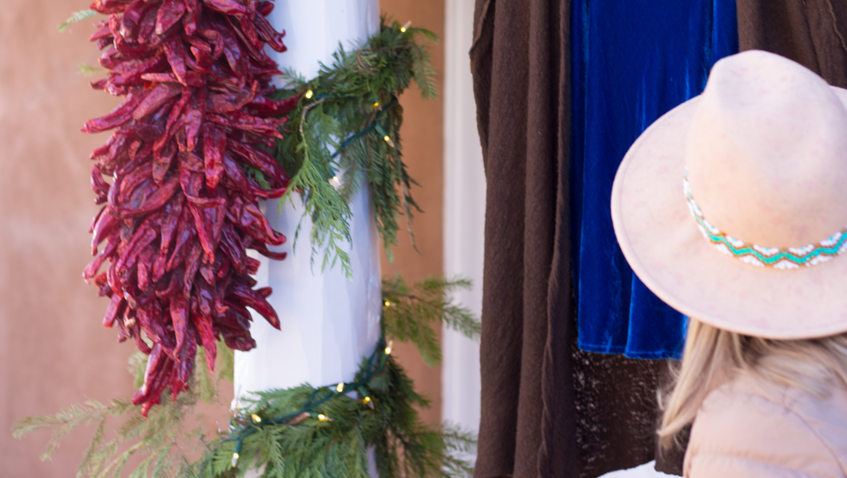
As we arrive in the vibrant and culturally rich art scene of Santa Fe, we are welcomed by galleries and ristras (dried red chili pepper hangings that adorn the town). Creativity is visible everywhere, providing the energy we need to address the insurance challenges ahead.
To stay ahead in the coming year, it’s important to focus on proactive measures and loss prevention. Simple yet effective solutions may act as an “octane booster” to help secure reasonable rates and coverage, even when facing threats such as hail and wildfires. Some resiliency questions to ask yourself include:
For more tips and deeper insight on how resiliency could protect your home and assets, view our Risk and Resiliency Symposium’s on-demand content. Hear directly from wildfire mitigation specialists and those on the frontlines about strategies that help safeguard homes in risk-prone regions like the Mountain West.
In addition to employing tactics that improve your home’s resiliency, it’s helpful to view insurance as a long road rather than a pit stop. Frequently changing insurance carriers, chasing the cheapest rates, and making claims for minor issues is generally not advisable. It’s better to go slow and steady, stay with a reputable carrier, and take time each year to review your coverages and risk tolerance. If you need help, Marsh McLennan Agency offers a customized risk review and provide a clearer understanding of your existing policy, including any gaps in coverage you may not have been aware of initially.
With the knowledge and tools we need, I-25 stretches out before us. We head north toward Taos and steadily climb Wheeler Peak, part of the famous Sangre de Cristo Mountain Range. Returning to the familiar alpine environment where we began our journey marks the conclusion of our insurance road trip through the Mountain West.
Request an insurance review with an experienced Personal Risk Advisor to ensure you're adequately insured for whatever life may bring.
Portland, OR

Butte, MT


