

Ken Beaman
Houston, TX

Nothing says Texas quite like hitting the open road, grabbing a Whataburger, and enjoying a refreshing can of Dr. Pepper from Buc-ee’s while blasting Outlaw Country (all proud Texas creations). The Lone Star State is filled with diversity at every turn. Its stunning landscapes range from the vast Blackland Prairie grasslands to bustling mega-cities like Houston and San Antonio. Iconic routes, such as the 150-mile stretch of historic Route 66 and the scenic drives along the Rio Grande River and through Big Bend Ranch State Park, offer endless opportunities for exploration.
It's not surprising that Texas tops the charts for population growth. The state adds about 1,500 people a day. Over the last two decades, Texas has grown to over 31.2 million residents. With a fast-growing, youthful vibe, Texas is a true “sticky” state. Once you’re here, you might just want to stay forever.

But if that's you, or if you’re one of the thousands hoping to move to Texas today, you should be prepared to steer past the unique, and often challenging, insurance landscape of “The Big State.”
The road ahead for Texas, when it comes to the insurance landscape, is bumpy. Let's pull over and take a quick look at our map to understand the roadblocks that lie ahead.
Okay, now that we know what’s ahead, let’s get back on the road and proceed with caution down the Texas turnpike.
The saying “everything's bigger in Texas” applies to trucks, hairdos, weather, sky-high jury verdicts, and the increasing cyber risk the state faces.
Since the 1980s, Texas—along with other Sun Belt states like Florida and California—has absorbed over 40% of the nation’s $2.8 trillion in natural disaster costs. Severe weather events such as convective storms—including hail, wind, tornadoes, lightning— derechos, flooding, hailstorms, windstorms, wildfires, and extreme winter weather pose significant risks to Texans and their property.
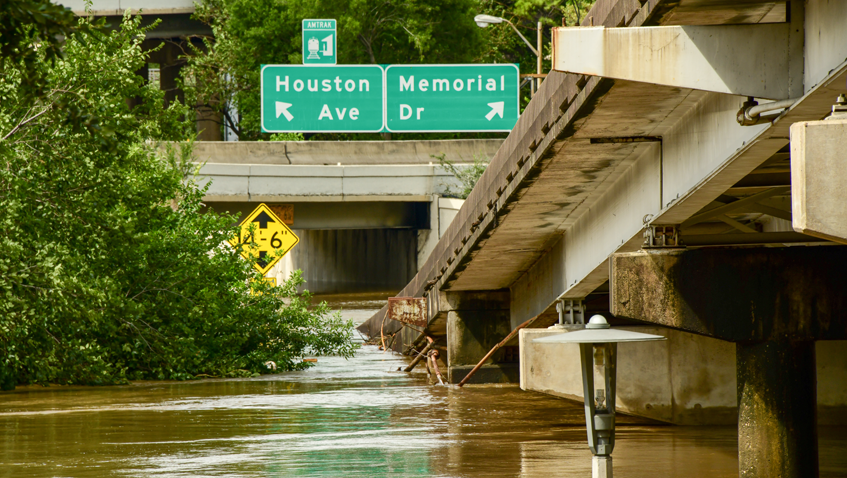
One tragic example is the significant rainfall and flooding that occurred in July 2025. From July 4-6, Central Texas experienced widespread rainfall, with some areas receiving 10-20 inches and rates of 2 to 3 inches per hour over three consecutive days. This led to major flash flooding. The Guadalupe River at Kerrville rose over 30 feet in just 1.5 hours. This rapid flooding caused tragic loss of life and extensive damage to homes, businesses, and infrastructure.
Many believe this event wasn’t an isolated incident but rather a warning of what may happen again due to the impacts of climate change. Texas Climatologist John Nielsen-Gammon says that extreme rainfall has increased by 15% over the past 40 years, highlighting the rate of change and the urgent need for Texans to be aware of this rising risk.
One piece of surprising and positive news was that this year, for the first time since 2022, no hurricanes made landfall in Texas (or the rest of the country) during the Atlantic hurricane season. All in all, it was a rare, quiet season.
A client's boat, securely tied to a dock, was damaged during a recent storm. After the incident, the client obtained a repair estimate, and the insurer arranged for a surveyor to inspect the damage. During the inspection, the surveyor noticed dirt within the cracks of the fiberglass hull and concluded that the damage was pre-existing. The insurer argued that fresh damage would not show dirt accumulation in the cracks.
To assist the client, we contacted the repairer for clarification. The repairer explained that, due to the difficulty of seeing fiberglass cracks, they intentionally apply dirt over the damaged area. This technique allows the dirt to settle into the cracks, making the damage more visible for assessment. When the hull is wiped clean, the dirt remains embedded in the cracks, which is clearly visible in photos and helps the repairer accurately estimate the time and materials needed for repairs.
The surveyor confirmed that this is a standard industry practice. With this clarification, the insurer agreed to cover the storm-related damage.
In the Alamo State, juries are known for awarding high amounts ($10 million or more) to injured parties, a phenomenon referred to as “nuclear verdicts.” These large awards may create generational wealth with one ruling. For example:
This problem is a big one, even for a state the size of Texas.
In the aftermath of severe weather events in Texas, residents are also facing an uptick in cyberattacks. Cybercriminals often take advantage of the chaos and uncertainty that large-scale natural disasters create. They know people are focused on getting their lives back on track, not on cybersecurity best practices.
To address this growing concern, the state established the Texas Cyber Command Center this year. Even with the command center in place, consumers in Texas should take steps to protect themselves from cybercrime by learning about the core four principles of cybersecurity. If you’d like personalized help, reach out to find out how we may support your digital resilience.
Increasingly, Texas homeowners are veering off the main highway toward Excess & Surplus Lines policies because they no longer qualify for coverage in admitted markets. Frequently, Texans face a steep climb ahead with higher premiums in exchange for broader asset protection. The number of double-digit home insurance rate increase requests in Texas has risen by 560% since 2014.
Given the rough terrain and escalating weather catastrophes, it seems unlikely that home premiums may drop dramatically in the years ahead. In many ways, the Texas housing market is beginning to resemble that of California, where homeowners face similar challenges. Insurers may be hesitant to take on clients with a history of prior claims on their properties, premiums are rising, and an increasing number of homeowners are moving from state-regulated admitted markets to unadmitted markets.
The situation is further complicated for homeowners due to rising property repair costs, difficulties in handling claims, and changes to insurance contracts. For high-net-worth individuals, concerns about carrier appetite and capacity constraints are significant. In some instances, proactive risk mitigation strategies are now—or could be—a requirement for coverage.
The signs are clear: The auto insurance landscape is also complex, as the Texas DMV announced this past November that it will only issue licenses to American citizens.
This change impacts Texas significantly, as it’s estimated that one in 20 Texans might be an undocumented immigrant. And of course, you cannot obtain insurance without a license. That means some 800,000 Texans may now be driving on the state’s roads without insurance, and if they are in an accident with someone who is insured, the “financial burden will fall on everyone else.”
Since 2021, Texans have been facing auto insurance rate increases. It remains to be seen how much this new DMV rule could impact rates this year.

As outlined above, the rise and prevalence of nuclear verdicts in Texas means investing in liability insurance is a prudent step, given the potential threat to your assets and net worth posed by lawsuits and liability claims.
Texas has introduced and, in some instances, passed legislation in 2025 aimed at addressing insurance concerns. Notable legislation includes:
Resiliency is in the water in Texas. It’s just part of the ethos of the place. Now that you’ve made it through the rocky insurance landscape in your Fiat 500L and understand some of the challenges ahead, you have time to focus on upgrades, retrofits, and new builds that could strengthen and fortify your assets for the future. Maybe that means a new Rivian, or maybe it means taking time to thoroughly evaluate how well-prepared you are to withstand the known risks of severe weather, cyber-attacks, and nuclear verdicts.
In all cases, a little resiliency goes a long way. Studies show that it’s six times more cost effective to mitigate risk than to recover after an incident. In the Lone Star State, some preventative measures may be more than a recommendation; they may be a requirement for insurance.
If you reside in Texas, consider adding systems for water leak detection, automatic water shut-off devices, backup generators, and wind- and hail-rated roofs. These are all simple features that could help reduce your risks and potential losses, increase your insurability, and improve your chances of securing favorable rates.
Our team of trusted insurance advisors understands the complex and challenging landscape of Texas and could help you perform thorough risk assessments. These custom evaluations may help identify potential exposures and ensure that you have the appropriate coverage tailored to your situation.
Plus, using smart risk mitigation strategies doesn’t just protect your belongings—it may also help you secure better insurance rates! Think whole-home generators, lightning protection, monitored alarms, and defensible space for wildfires. You’re in control, and you get to decide whether to take the new I-287 highway or the most dangerous road in the state, I-45.
Request an insurance review with an experienced Personal Risk Advisor to ensure you're adequately insured for whatever life may bring.
Houston, TX

Oklahoma City, OK

Austin, TX


